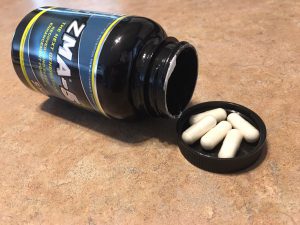
Zinc Magnesium Aspartate (ZMA) Bodybuilding Benefits
ZMA benefits building muscle by enhancing Recovery and Testosterone Support.
ZMA, when taken in the recommended dosage, is perhaps the best rated natural testosterone booster currently available. It also ranks as one of the best bodybuilding supplements for muscle growth along with protein and creatine.

ZMA Bodybuilding Daily Dosage*
The recommended ZMA bodybuilding dosage is 11 mg of B6, 400-450 mg of magnesium, and 30 mg of zinc per day. This combination is found in one serving of most brands of ZMA supplements. Take on an empty stomach before bedtime, as it can induce drowsiness. Follow label recommendations.
Timing is important for maximum results.
The best way and time to take your ZMA supplement dosage is at night on an empty stomach, due to the fact that zinc and magnesium are better absorbed in the absence of food.
Bodybuilding Rating:****
ZMA is rated highly for bodybuilding, weightlifting and strength athletes due to the many benefits discussed below.
ZMA is a patent pending combination of zinc Monomethionine Aspartate and magnesium aspartate plus vitamin B6, in specific dosages that is supported by strong clinical research data involving trained athletes. Scientific evidence has demonstrated ZMA’s effectiveness in increasing anabolic hormone levels, including free testosterone and growth factor (IGF-I), hormones that may otherwise be suppressed in hard training athletes and bodybuilders. ZMA also improves the quality of sleep.
More Bodybuilding Benefits of ZMA
The need for daily zinc and magnesium supplementation for athletes and bodybuilders is not in question, but the best dosage, method and timing of delivery is. The clinical success and effectiveness of ZMA highlights the importance of delivering these minerals on an empty stomach, at a specific time of the day (before bedtime), which maximizes absorption and utilization.
The ultimate benefits of ZMA supplementation may be improved recovery due to enhanced sleep efficiency and increased anabolic hormone levels, as well as greater gains in muscle strength and power.

There is a large body of scientific evidence supportive of ZMA. Zinc and Magnesium are commonly depleted from your body. Studies have shown that supplementing with dosage of 30mg of Zinc and 450mg of Magnesium per day can elevate testosterone levels up to 30%!
The magnesium that is found in ZMA also has been shown to have fat-fighting properties. Recent studies have shown that magnesium reduces insulin resistance. Insulin is a hormone that brings glucose (blood sugar) into the cells of your muscles and brain to produce and store energy. When these cells resist the influence of insulin, the extra sugar that builds up is absorbed by the liver and converted to fat, which can end up padding your abs!
The easiest way to supplement with magnesium is with a ZMA formula, but it is also found in almonds, cashews, pumpkin seeds, spinach, peanut butter, bananas, raisins.
Learn more by reading Wikipedia’s ZMA article.
When to take ZMA
The timing of your is ZMA supplementation is crucial to obtaining the maximum benefits. Clinical research has confirmed that the best time to take his ZMA is before bed for maximum utilization and uptake of the supplement.
Can I just take a zinc supplement and and magnesium
supplement and get the same benefit?
Taking separate supplements will most likely not give you the benefit as the patented ZMA supplement. This is primarily because the zinc and magnesium used in his ZMA supplement are in a form known as zinc and magnesium aspartate which helps to minimize interference in the uptake of these minerals. Also it may be more difficult to get zinc magnesium and B6 in the proper dosages when taking supplements separately.
Take your ZMA dose on an empty stomach
It can be a little tricky, but you must take ZMA supplement dose on an empty stomach! Unlike most other supplements zinc and magnesium will not be properly absorbed if taken with food. Take ZMA every day, one to two hours after eating in the evening, 60 minutes before going to bed. You can still take your bedtime protein shake or protein snack immediately before going to sleep.

Zinc can be found in many foods such as fish, oysters, shellfish, poultry, red meat, cheese, legumes, whole grains, tofu and green beans.
Zinc is a requirement for a healthy immune system, and proper regulation of appetite, stress level, taste and smell. Zinc is also important for growth and reproduction in males and females. The antioxidant properties of zinc help neutralize free radicals that are damaging to the body caused by pollutants and toxins in the environment.
Health Benefits of ZMA
If zinc is deficient in the diet, it can be associated with health conditions such as: diabetes, eating disorders, low fertility (male), attention deficit hyperactivity disorder (ADHD) in children, diarrhea in infants, alcoholism, HIV disease, pregnancy and an increased risk of contracting tuberculosis.
Zinc is an essential part of a properly functioning immune system. Studies have shown that zinc may be instrumental in shortening the intensity/duration of the common cold (it is not a cure), and may also expedite wound healing. Those with sickle cell anemia, HIV disease, and the elderly may also experience improved immunity to infections with proper supplementation of zinc. Also, according to another study, proper zinc intake may help protect against osteoporosis by preserving bone mass and increasing the production of bone.
| Usage Indications Suggested for… | Recommended Daily Dose |
|---|---|
| Adult males 19+ | 15mg |
| Adult females 19+ | 12mg |
| Pregnancy | 15mg |
| Lactation- 1st 6 months | 19mg |
| Lactation- 2nd 6 months | 16mg |
You must consult your physician before using any dietary supplements if you are currently taking any medications, as zinc may interact with other medications or drugs you are taking.
*Dosages are only general recommendations. Always check with your Physician and product label before taking any supplement or medication.